

Blog
How to Read THCA Lab Reports Like a Pro (2026 COA Guide)

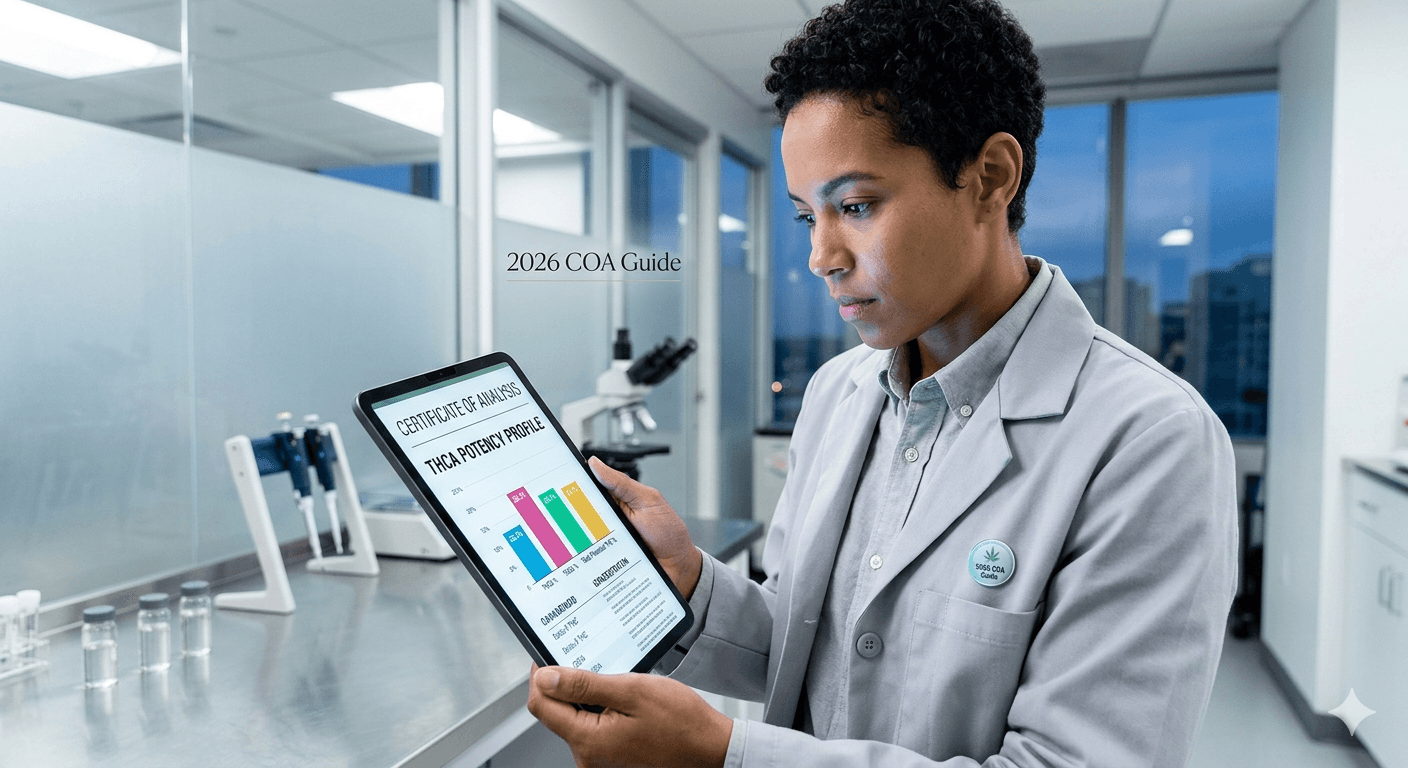
Buying THCA flower online is easier than ever in 2026, but there’s one problem many buyers still face:
How do you know if a product is actually high quality?
Beautiful packaging and marketing claims can be misleading. That’s why experienced buyers rely on something far more important:
THCA lab reports, also known as Certificates of Analysis (COAs).
A proper COA tells you:
- What’s inside the product
- whether it’s compliant
- how potent it is
- If it’s been tested for safety
Yet many people open a lab report and immediately feel confused by all the numbers, percentages, and scientific terms.
The good news? Once you understand the basics, reading a THCA lab report becomes surprisingly simple.
This guide breaks everything down step by step so you can confidently evaluate products like a professional buyer.
What Is a THCA Lab Report (COA)?
A COA, short for Certificate of analysis is a document created by a third-party laboratory after testing a hemp product.
Its purpose is to verify:
- cannabinoid content
- potency levels
- safety testing
- legal compliance
In simple terms, a COA proves whether the product matches the claims made by the brand.
Without lab testing, buyers are essentially purchasing blindly.
Why COAs Matter More in 2026
The THCA market has become extremely competitive, and unfortunately, not every product is accurately labeled.
Some products may:
- exaggerate potency
- hide contaminants
- provide outdated results
- use misleading marketing
This is why educated consumers now prioritize verified testing before buying.
If you want to understand why lab-tested products dominate the premium market, Lab-Tested THCA: Why Certificates of Analysis Matter explains how testing improves trust and product quality.
The Most Important Sections of a THCA Lab Report
When you first open a COA, it may look overwhelming. But most reports follow a similar structure.
Here are the key sections you should always check.
1. Cannabinoid Profile
This section shows the amount of cannabinoids present in the product.
Common cannabinoids listed include:
- THCA
- Delta-9 THC
- CBD
- CBGA
- CBN
For THCA flower, this is usually the first thing buyers check.
Understanding THCA Percentage
The THCA percentage indicates how much THCA is present before heating.
Generally:
- Higher percentages = stronger potency potential
- lower percentages = milder experience
However, potency alone doesn’t define overall quality.
Terpenes, freshness, and cultivation also matter significantly.
2. Total THC Calculation
One of the most misunderstood parts of a lab report is Total THC.
This number estimates how much THC may become active after THCA converts through heating.
The formula helps determine:
- compliance status
- potential psychoactive strength
This section is especially important for legal and shipping purposes.
3. Terpene Analysis
Not all COAs include terpene testing, but premium products often do.
Terpenes influence:
- aroma
- flavor
- overall experience
A terpene profile can reveal whether a product is:
- fruity
- earthy
- gas-heavy
- citrus-forward
In 2026, terpene quality has become one of the biggest indicators of premium flower.
4. Safety Testing
This section is critical.
A quality COA should show testing for:
- pesticides
- heavy metals
- mold
- solvents
- microbial contamination
If these tests are missing, that’s a major warning sign.
5. Batch Number & Test Date
Always check:
- batch identification
- testing date
Fresh lab reports indicate:
- active inventory
- updated compliance
- better transparency
Very old reports may not accurately reflect current product quality.
If freshness is important to you, How to Tell If THCA Flower Is Fresh or Old explains additional signs buyers should look for before purchasing.
How to Spot Fake or Misleading COAs
Unfortunately, fake lab reports exist in the hemp industry.
Watch for these red flags:
- blurry documents
- missing lab information
- no testing date
- unrealistic potency claims
- incomplete safety results
Legitimate reports should always appear professional and verifiable.
Why Third-Party Testing Matters
Third-party labs are independent from the brand selling the product.
This creates:
- more transparency
- unbiased testing
- increased buyer trust
Reliable brands understand that transparency improves long-term credibility.
Understanding Potency Without Being Misled
Many buyers focus only on THCA percentage, but this can sometimes be misleading.
A product with:
- slightly lower THCA
- stronger terpenes
- better freshness
…may actually provide a superior overall experience.
If you want to understand this concept better, Cheap vs Premium THCA Flower – What’s the Real Difference? explains why numbers alone don’t always define quality.
Why Smart Buyers Always Read COAs
Experienced buyers use COAs to:
- verify quality
- avoid fake products
- confirm compliance
- compare products intelligently
This simple habit dramatically reduces the chances of buying low-quality flower.
How Brands Use Transparency to Build Trust
In 2026, transparency has become one of the biggest competitive advantages.
Brands that openly provide:
- QR-linked lab reports
- detailed testing data
- terpene analysis
…are usually viewed as more trustworthy by consumers.
The Future of THCA Testing
As regulations evolve, lab testing standards will likely become even stricter.
Future trends may include:
- deeper terpene analysis
- freshness scoring
- advanced contamination testing
- blockchain verification systems
Consumers are demanding more transparency than ever before.
Final Thoughts
Learning how to read THCA lab reports is one of the smartest skills a hemp buyer can develop.
A proper COA helps you:
- Verify product quality
- understand potency
- avoid misleading products
- shop with confidence
In today’s market, educated buyers have a major advantage and lab reports are one of the best tools available for making informed decisions.
FAQs (Featured Snippet Optimized)
What is a THCA COA?
A COA (Certificate of Analysis) is a lab report showing cannabinoid content, potency, and safety testing.
Why are THCA lab reports important?
They verify product quality, legality, and safety.
How do I know if a COA is real?
Check for testing dates, lab information, batch numbers, and complete results.
What does THCA percentage mean?
It shows the amount of THCA present before heating.
Should I only focus on potency?
No, freshness, terpene quality, and safety testing matter too